
Nigeria’s inflation eases to 14.06% — slower price growth is not a return to old prices
October’s annual headline rate fell from 14.63%; food inflation remained higher at 19.13%, according to NBS figures reported by Reuters.
Civique News Desk · 5d ago
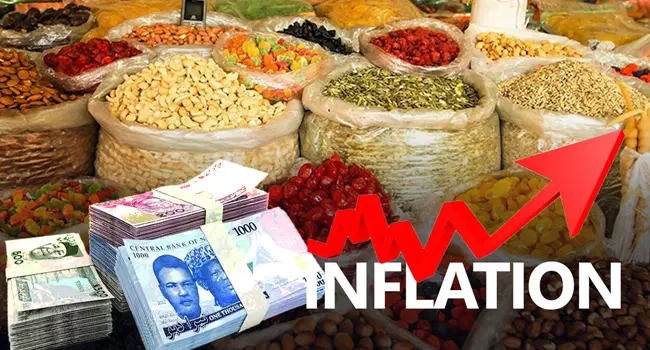
ABUJA — Nigeria’s annual headline inflation rate eased to 14.06% in October 2026, down from 14.63% in September, according to National Bureau of Statistics figures released on Monday, 16 November and reported by Reuters through CNBC Africa. The decline is a further moderation in the rate of price increases, not evidence that the overall cost of living has returned to its earlier level.
THE NUMBERS THAT MATTER
The change between September and October is 0.57 percentage points. Food inflation also eased, from 19.59% to 19.13% year on year — a reduction of 0.46 percentage points. Food therefore remained more inflationary than the overall consumer basket, even as both annual measures slowed.
Reuters’ report and Naija News’ account of the NBS release agree on the 14.06% headline figure and the 19.13% food figure. These are October measurements published in November. They should not be presented as a reading of prices across the whole of November or as a forecast for the months ahead.
WHY A FALLING RATE CAN STILL FEEL EXPENSIVE
Annual inflation compares the average price level with the corresponding period a year earlier. A positive rate of 14.06% means the measured consumer basket was still more expensive than a year before, although the rate of increase was lower than September’s annual reading. It does not mean that prices fell by 14.06%, or that every product became cheaper between September and October.
The same distinction applies to food. A 19.13% annual rate indicates continuing price pressure relative to the previous year. Individual households may experience a different change because they buy different items, live in different locations and devote different shares of their income to food, transport and energy. The national figures do not measure every family’s budget in the same way.
THE POLICY BACKDROP
Reuters places the figures against the cost-of-living pressures that followed Tinubu’s economic reforms, including petrol-subsidy reductions and currency devaluation. Those reforms were intended to support growth and public finances, but also increased household costs. The new inflation reading is a measurable change in that economic backdrop; it is not sufficient on its own to establish that purchasing power has recovered.
This report does not predict a central-bank decision, a new subsidy policy or an automatic fall in shop prices. None of those outcomes follows necessarily from the data released on Monday. A sustained improvement would need to be assessed through later price releases and evidence about household incomes, rather than inferred from one headline rate.
WHAT TO WATCH NEXT
The next consumer-price release will help establish whether the moderation continues. For readers, the immediate takeaway is narrower and more useful than a claim that prices have crashed: annual inflation is slowing, while the average consumer basket — and food in particular — remains costlier than a year earlier.
SOURCE NOTE — Civique News economic reporting and explanation based on Reuters’ 16 November 2026 report through CNBC Africa: https://www.cnbcafrica.com/2026/nigerias-inflation-rate-eases-further-in-october-data-shows ; corroborating NBS figures reported by Naija News, 16 November 2026: https://www.naijanews.com/2026/11/16/nigerias-inflation-rate-drops-to-14-06/ . No claim of an independent household-price survey is made.
YOUR TAKE?
FOLLOW @CIVIQUENEWS
Get breaking news first. Follow us on X, Instagram, Threads and join our WhatsApp channel.
GOT A TIP? GOT VIDEO?
Saw something happen? Send us your photos, video or story. Your name stays private.