Court Removes Tukur Ribadu as ADC's Adamawa Governorship Candidate, Orders INEC to Restore Omar Suleiman
A Federal High Court in Abuja ruled that the primary winner was unlawfully substituted — a fresh test of how the ADC manages its 2027 tickets.
Civique Politics Desk · 14h ago
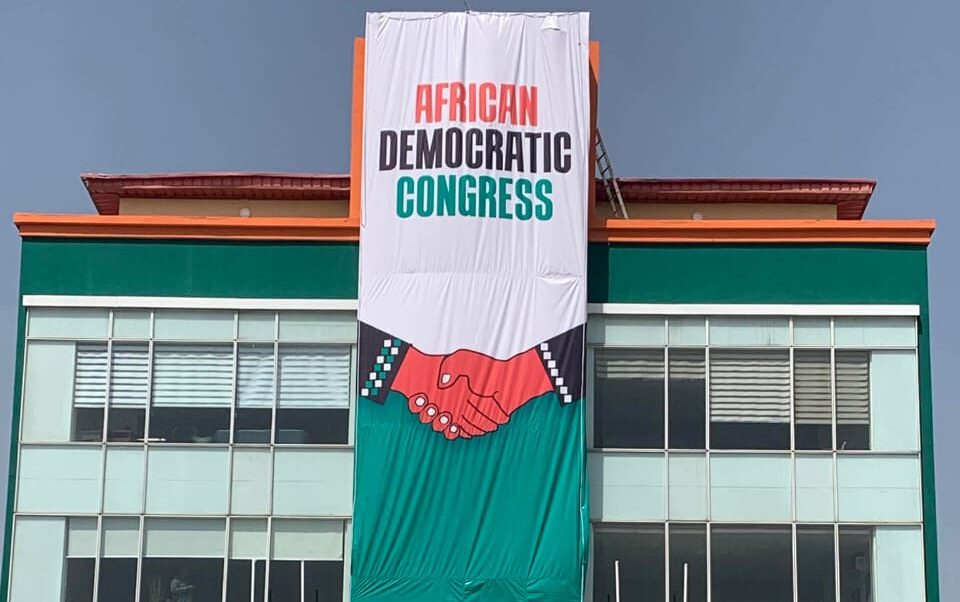
The African Democratic Congress (ADC) has lost its governorship candidate in Adamawa State by court order. On Friday, 20 November 2026, Justice Obiora Egwuatu of the Federal High Court in Abuja nullified the nomination of Tukur Ribadu and ordered the Independent National Electoral Commission (INEC) to restore Omar Suleiman as the party's candidate for the 2027 election.
WHAT THE COURT ORDERED
The judge directed the ADC to forward Mr Suleiman's particulars to INEC for publication as its governorship candidate. He barred INEC from recognising or publishing Mr Ribadu's name, and restrained Mr Ribadu from presenting himself as the party's candidate for Adamawa State. The suit is marked FHC/ABJ/CS/1751/2026 and was filed on 6 August 2026.
HOW THE DISPUTE STARTED
According to figures reported by Legal Nigeria, Mr Suleiman won the ADC governorship primary held in May 2026 with 143,216 votes across the state's 21 local government areas. Mr Ribadu came second with 56,801 votes and Umar Uba third with 20,343. The party's national leadership later recognised Mr Ribadu as its candidate. Mr Suleiman went to court, arguing that he won the primary and that the party had no lawful basis to replace him. The News Agency of Nigeria, as carried by Vanguard, describes Mr Suleiman as a cousin of former Secretary to the Government of the Federation, Babachir Lawal.
THE OBJECTIONS THAT FAILED
The ADC and Mr Ribadu asked the court to throw out the case before hearing it. They argued that it was statute-barred under the 14-day limit for pre-election suits, that Mr Suleiman had not exhausted the party's internal dispute process, and that his written address ran to 17 pages instead of the 15 allowed by the court's election practice directions.
Justice Egwuatu rejected each argument. He held that the suit was filed within the constitutional period. He ruled that insisting on the internal process would have allowed the 14-day window to expire, so Mr Suleiman was entitled to approach the court directly. On the address, he acknowledged the two-page excess but held that striking out the case on that ground would not serve justice.
THE DECISIVE FINDING
The party's defence rested on a claim that Mr Ribadu had appealed the primary result and that the National Working Committee adopted the appeal committee's report. After examining documents the party itself filed in an earlier suit involving another aspirant, the judge found no evidence that Mr Ribadu had submitted such a petition. Without a valid appeal, the court found no basis for replacing the primary winner.
CIVIQUE PERSPECTIVE (ANALYSIS)
The ruling turns on procedure, not personalities: a party may manage its own affairs, but a substitution must follow its own rules and leave a paper trail. For the ADC, which is positioning itself as the main opposition platform for 2027, the judgment is a reminder that ticket decisions made at national level can be undone in court when the record does not support them.
WHAT HAPPENS NEXT
The ADC and Mr Ribadu have the right to appeal. As of publication, Civique News had not seen a public statement from either the party or Mr Ribadu on whether they will do so. Unless the judgment is set aside or stayed, INEC is bound to recognise Mr Suleiman.
PHOTO CREDIT: ADC secretariat, file photo via @ADCngcoalition / Premium Times.
SOURCE NOTE: Premium Times (21 November 2026); Legal Nigeria (21 November 2026); Vanguard / News Agency of Nigeria (20 November 2026).
YOUR TAKE?
FOLLOW @CIVIQUENEWS
Get breaking news first. Follow us on X, Instagram, Threads and join our WhatsApp channel.
GOT A TIP? GOT VIDEO?
Saw something happen? Send us your photos, video or story. Your name stays private.