World Court finds Myanmar responsible for Rohingya genocide; reparations still to be settled
The 19 November judgment establishes state responsibility and orders remedies, but does not convict individuals or confirm compensation has been paid.
Civique News Desk · 2d ago
THE HAGUE — The International Court of Justice has found Myanmar responsible for genocide against the Rohingya in a judgment delivered on Thursday, 19 November 2026. The ruling marks a decisive legal outcome in the case brought by The Gambia, but the next questions are practical: how Myanmar will comply, how restitution will work and what compensation survivors will receive.
UN News reports that the court also found Myanmar had failed to prevent and punish genocide. The Guardian reports that nine of the court’s 15 judges supported the finding that Myanmar committed genocide. The UN’s Independent Investigative Mechanism for Myanmar separately confirmed the judgment and the order to make reparations.
WHAT THE COURT FOUND
The findings concern the violence directed at Rohingya communities in northern Rakhine State during the 2017 military clearance operations. UN News says the court found prohibited acts involving killings, serious bodily or mental harm, and measures intended to prevent births within the group. These are findings attributed to the court, not simply allegations repeated from a campaign group.
The 2017 operations drove about 700,000 Rohingya across the border into Bangladesh, according to UN News. The Gambia initiated its case in November 2019 under the Convention on the Prevention and Punishment of the Crime of Genocide. Thursday’s decision follows years of evidence and legal argument; it changes the case from a pending merits dispute to a judgment with obligations for the respondent state.
The Guardian reports that Myanmar had denied genocide and characterised the operations as action against insurgents. Its account says the judges rejected explanations that the campaign was primarily counter-terrorism or forcible displacement without genocidal intent. That defence and the court’s response belong to the same central issue: the legal character of the treatment of the Rohingya.
THE REMEDIES—AND WHAT IS NOT YET DELIVERED
According to UN News, Myanmar must take immediate and effective steps to investigate people reasonably suspected of acts contrary to the Convention and, where warranted, prosecute and punish them. It must also provide guarantees against repetition and adopt restitution measures, including safe, voluntary and dignified return and family reunification for displaced Rohingya.
The judgment orders compensation for damage to the Rohingya group and its members. However, UN News states that the amount and modalities of compensation or other reparation will be determined in a subsequent phase. Myanmar is to submit a report within two years on restitution measures and compensation arrangements. That reporting deadline is not proof that victims have been paid or returned safely.
STATE RESPONSIBILITY IS NOT AN INDIVIDUAL CONVICTION
The investigative mechanism stresses that these proceedings address Myanmar’s responsibility as a state. Criminal responsibility for individual perpetrators requires separate investigations and judicial proceedings. Civique News therefore does not describe the ICJ judgment as a prison sentence against a named military officer or as a substitute for individual criminal trials.
UN News describes the judgment as final, binding on the parties and without appeal. Its legal force must still be distinguished from enforcement on the ground. The sources reviewed do not establish completed reparations, safe returns or full compliance. For survivors, recognition of the wrong is a major milestone; delivery of the ordered remedies remains the unfinished task.
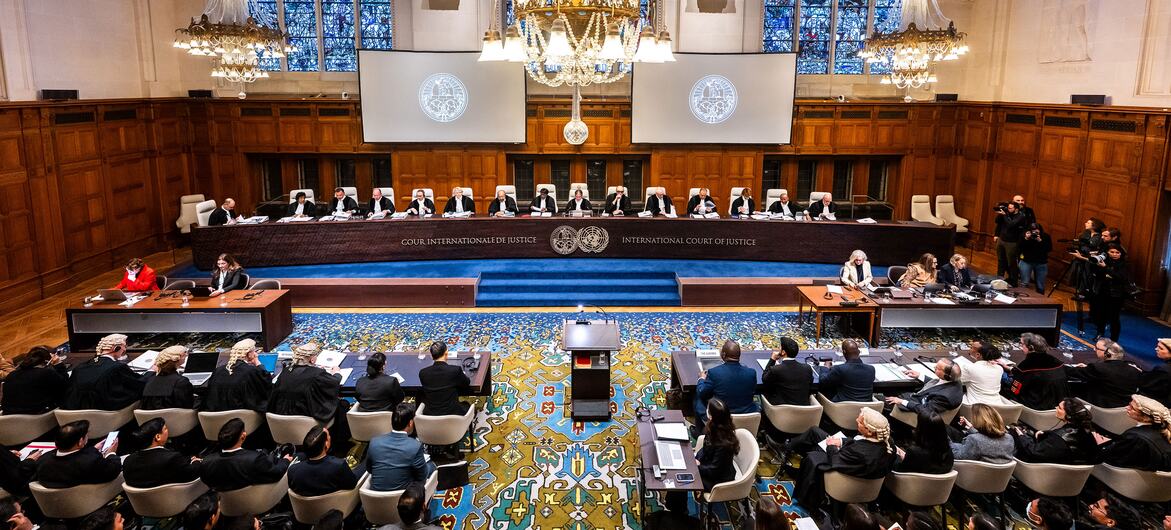
PHOTO CREDIT: UN Photo/ICJ/Frank van Beek, a file photograph of public hearings in The Gambia v. Myanmar at the Peace Palace. Published with UN News’s judgment coverage; it is not presented as a photograph of the 19 November judgment session.
SOURCE NOTE: This Civique News report follows our earlier preview of the hearing. UN News, the UN investigative mechanism and The Guardian confirm the judgment delivered on 19 November. Court findings, individual criminal responsibility and implementation are kept separate. This report draws on their accounts, not an independent legal analysis of the full judgment.
UN News, 19 November 2026: https://news.un.org/en/story/2026/11/1168836
UN Independent Investigative Mechanism for Myanmar, 19 November 2026: https://iimm.un.org/en/icj-judgment-marks-historic-step-towards-justice-rohingya
The Guardian, 19 November 2026: https://www.theguardian.com/world/2026/nov/19/genocide-rohingya-international-court-of-justice-ruling-myanmar
YOUR TAKE?
FOLLOW @CIVIQUENEWS
Get breaking news first. Follow us on X, Instagram, Threads and join our WhatsApp channel.
GOT A TIP? GOT VIDEO?
Saw something happen? Send us your photos, video or story. Your name stays private.